
The "Smart Guardian" of Industrial Equipment Maintenance: How Does the Zhongyun All-in-One Device Management System Tackle Challenges in Equipment Operations and Maintenance?
Release time:2025-07-03
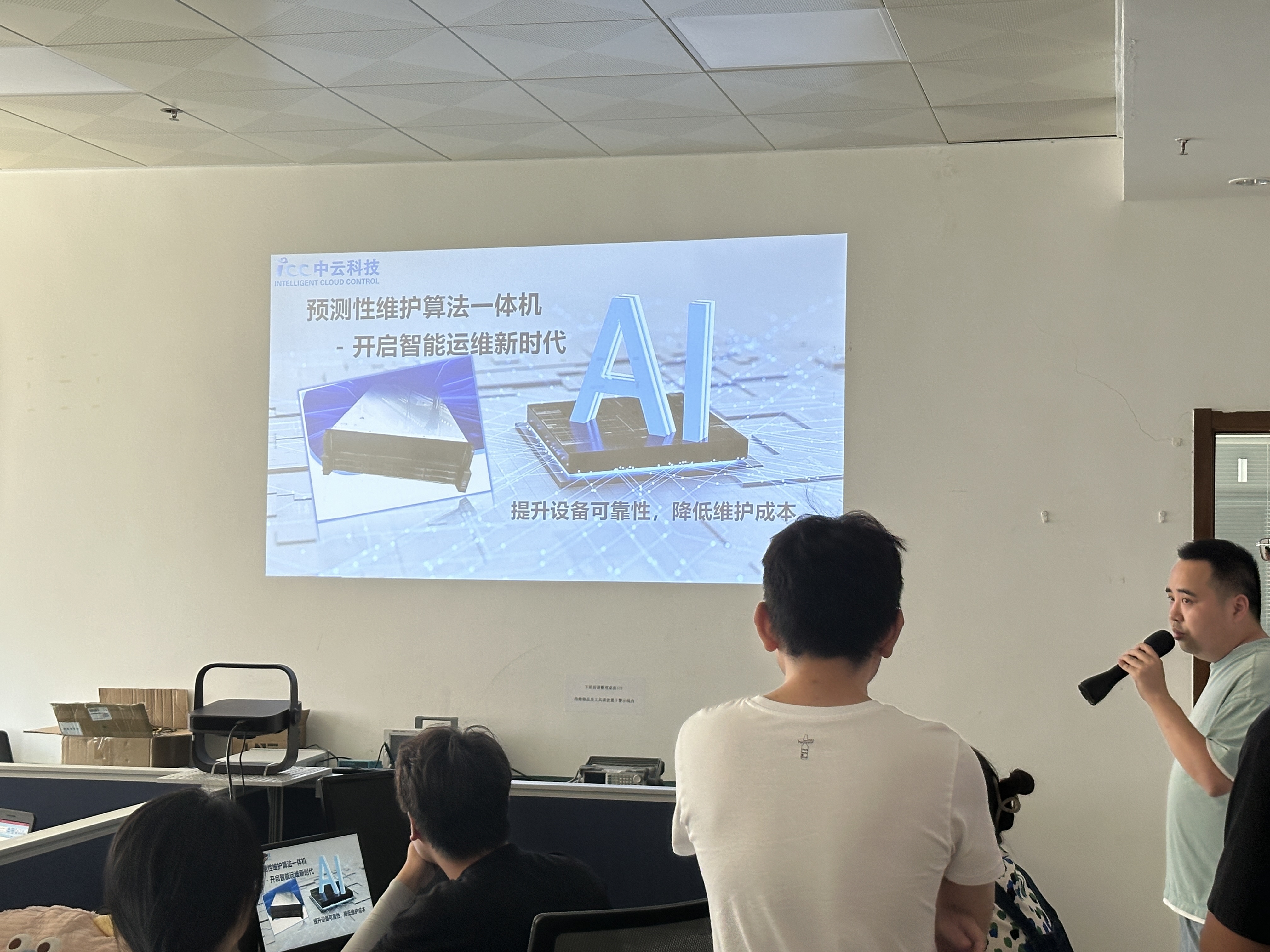
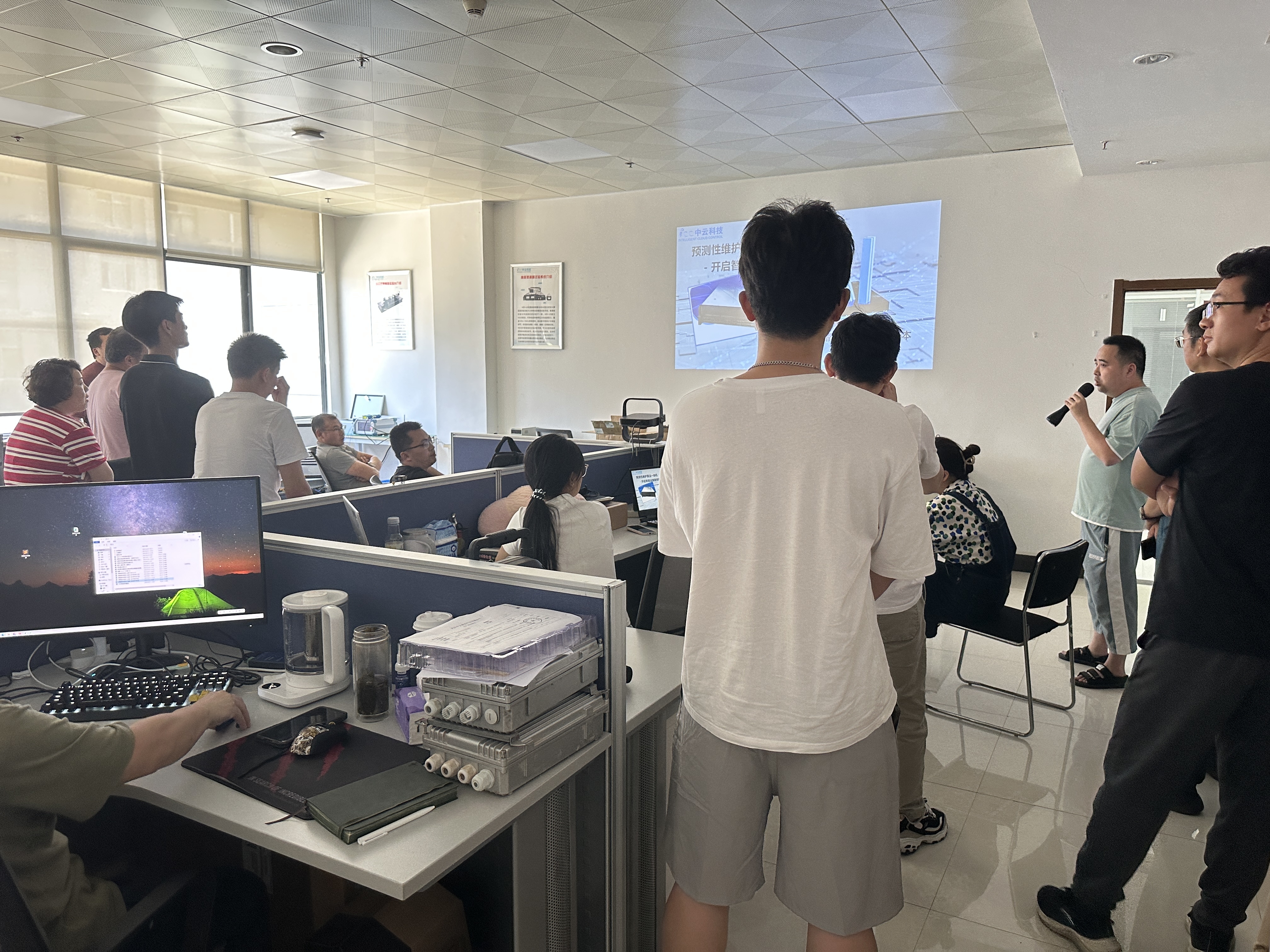
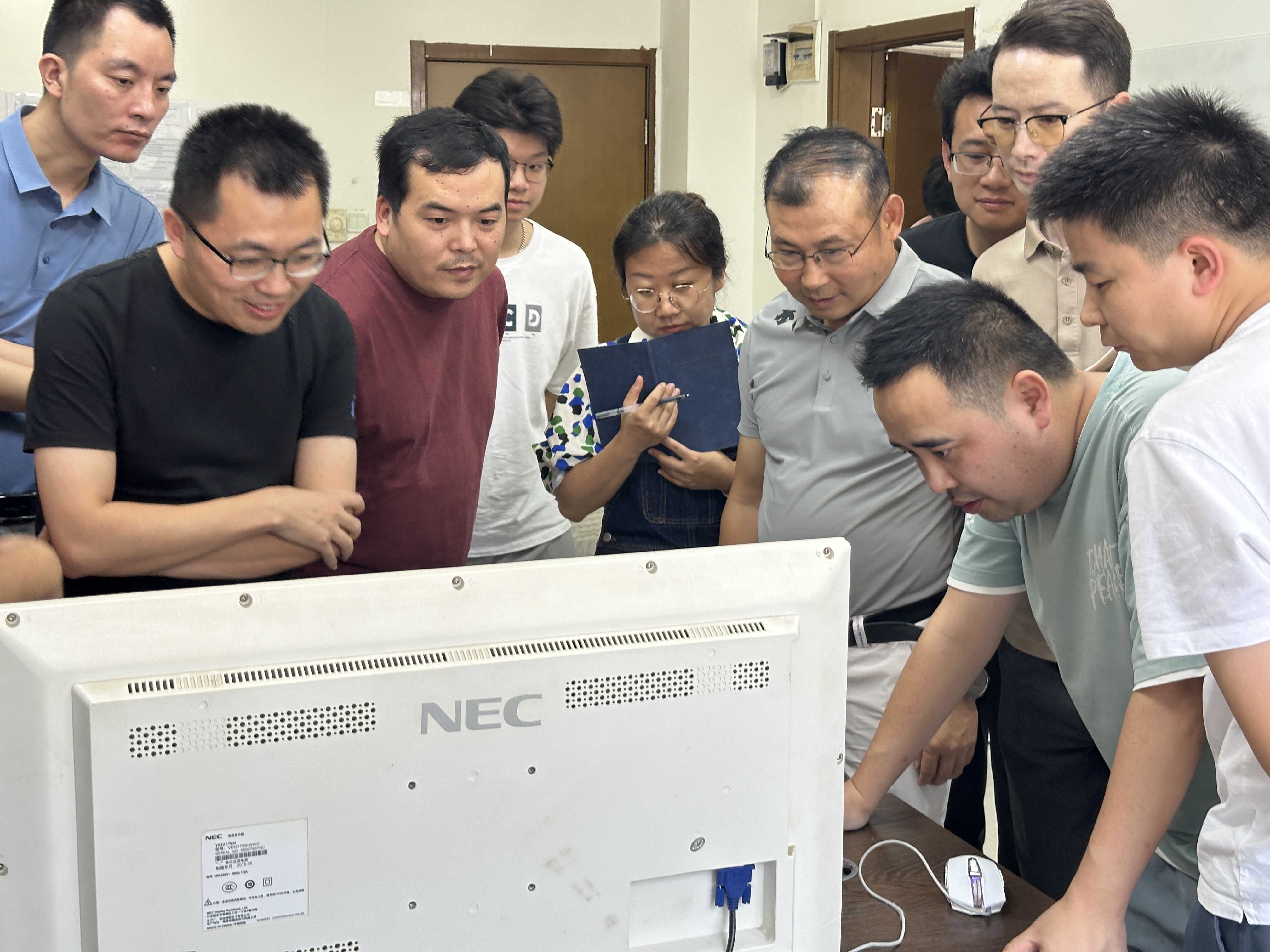
Recently, the company organized the R&D department and the business team to jointly participate in the trial use of "Device Management All-in-One Machine," independently developed by Zhongyun. Although our exposure was brief, this seemingly unassuming industrial device impressed us with its clear functional logic and robust technical capabilities, giving us a more concrete understanding of the future of industrial predictive maintenance.
I. Why Is It Needed? The "Three Major Obstacles" of Traditional Operations and Maintenance
At the outset of the trial, the head of R&D highlighted the significance of the integrated equipment management system by pointing out three major pain points in the industry: Industrial enterprises have long struggled with the "three challenges" of equipment maintenance—high costs associated with regular upkeep often lead to the dilemma of either "over-maintenance" or "under-maintenance"; passive repairs conducted only after a failure result in prolonged downtime, directly disrupting production continuity; and complex equipment systems rely heavily on manual, experience-based judgment, limiting both diagnostic accuracy and response speed.
“These issues essentially stem from the disconnect between ‘data’ and ‘decision-making,’” the person in charge added. “In the Industry 4.0 era, what companies need isn’t ‘tools for repairing equipment,’ but rather ‘brains that truly understand the equipment.’” The emergence of an integrated equipment management system is precisely aimed at filling this critical gap.
II. Vertical Expert Models vs. General-purpose Large Models
Unlike the "multi-domain generalization" seen in general-purpose large models (such as DeepSeek), the core advantage of the integrated device management machine lies in its "vertical specialization." Equipped with a diagnostic expert model specifically designed for predictive maintenance of equipment, it addresses the unique challenges inherent in industrial equipment data with targeted precision:
- Superior accuracy: In fault prediction tests conducted on similar devices, this vertical model achieved an accuracy rate of 95%, an 8% improvement over general-purpose large models, making it better aligned with the industrial sector's demand for "high reliability."
- Faster adaptation: Quickly adapts to sensor data from new devices (such as multi-source time-series data like temperature, vibration, current, etc.), automatically adjusting parameters without the need for manual retraining.
- More timely responses: Under the same hardware conditions, data processing speed is improved by 30%, enabling fault analysis to be completed within 3 seconds. The system generates a comprehensive diagnostic report that includes the root cause, repair recommendations, and relevant historical cases, meeting the stringent "immediacy" demands of industrial production.
This "specialized yet sophisticated" technological positioning allows it to demonstrate advantages that cannot be replicated by general-purpose models, particularly in core scenarios such as equipment condition monitoring and fault prediction.
III. Full-Link Coverage from "Monitoring" to "Decision-Making"
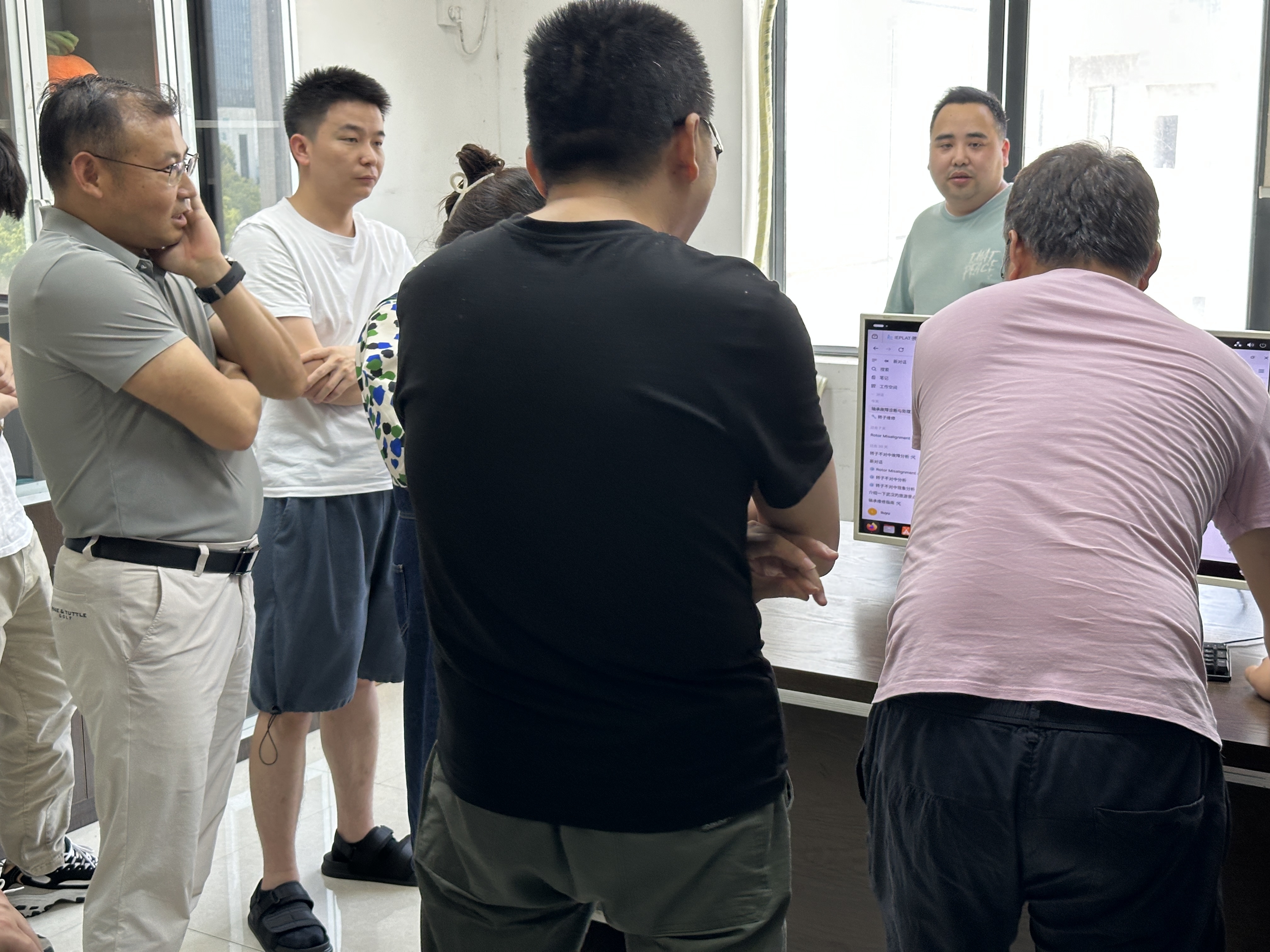
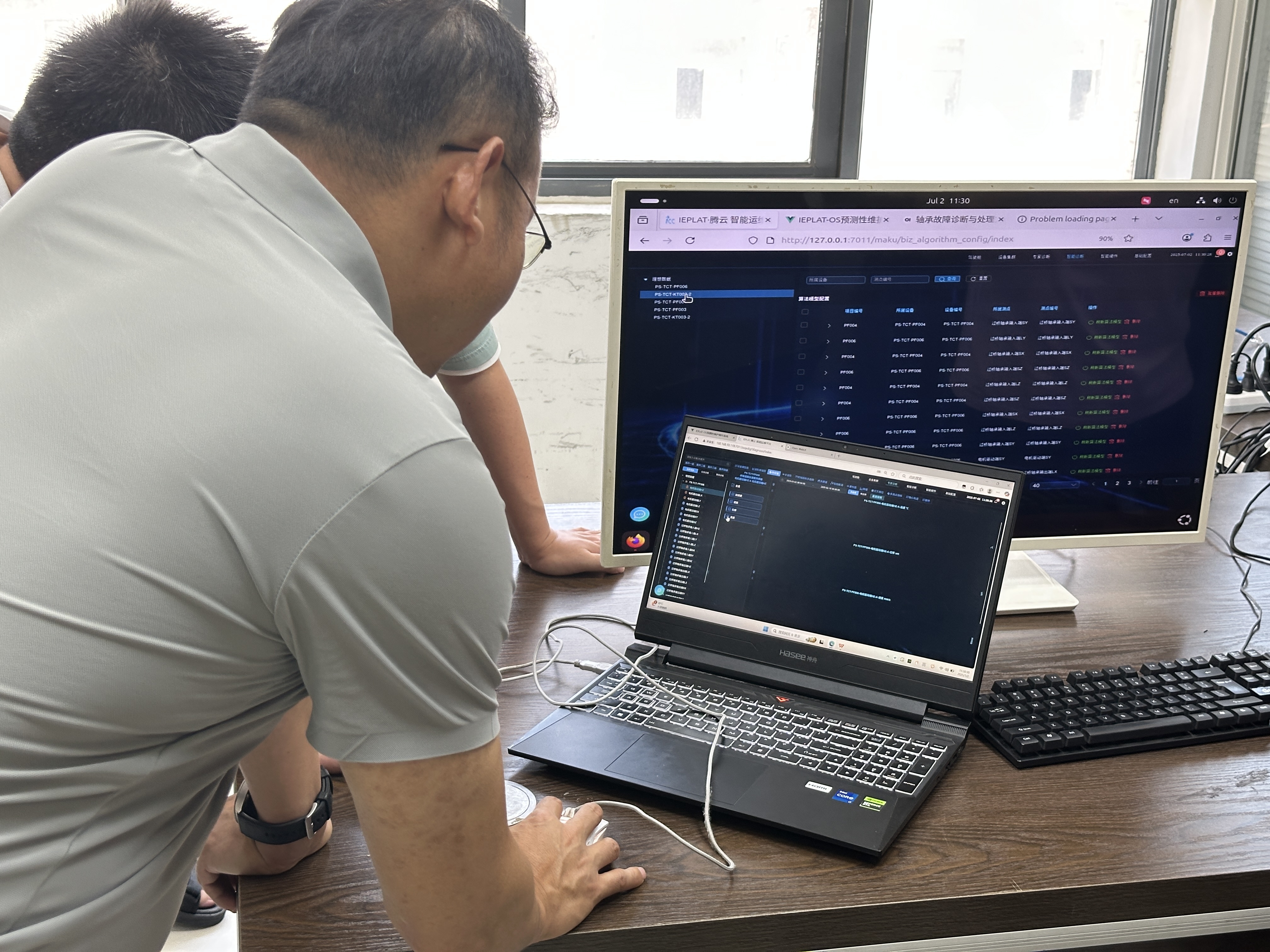
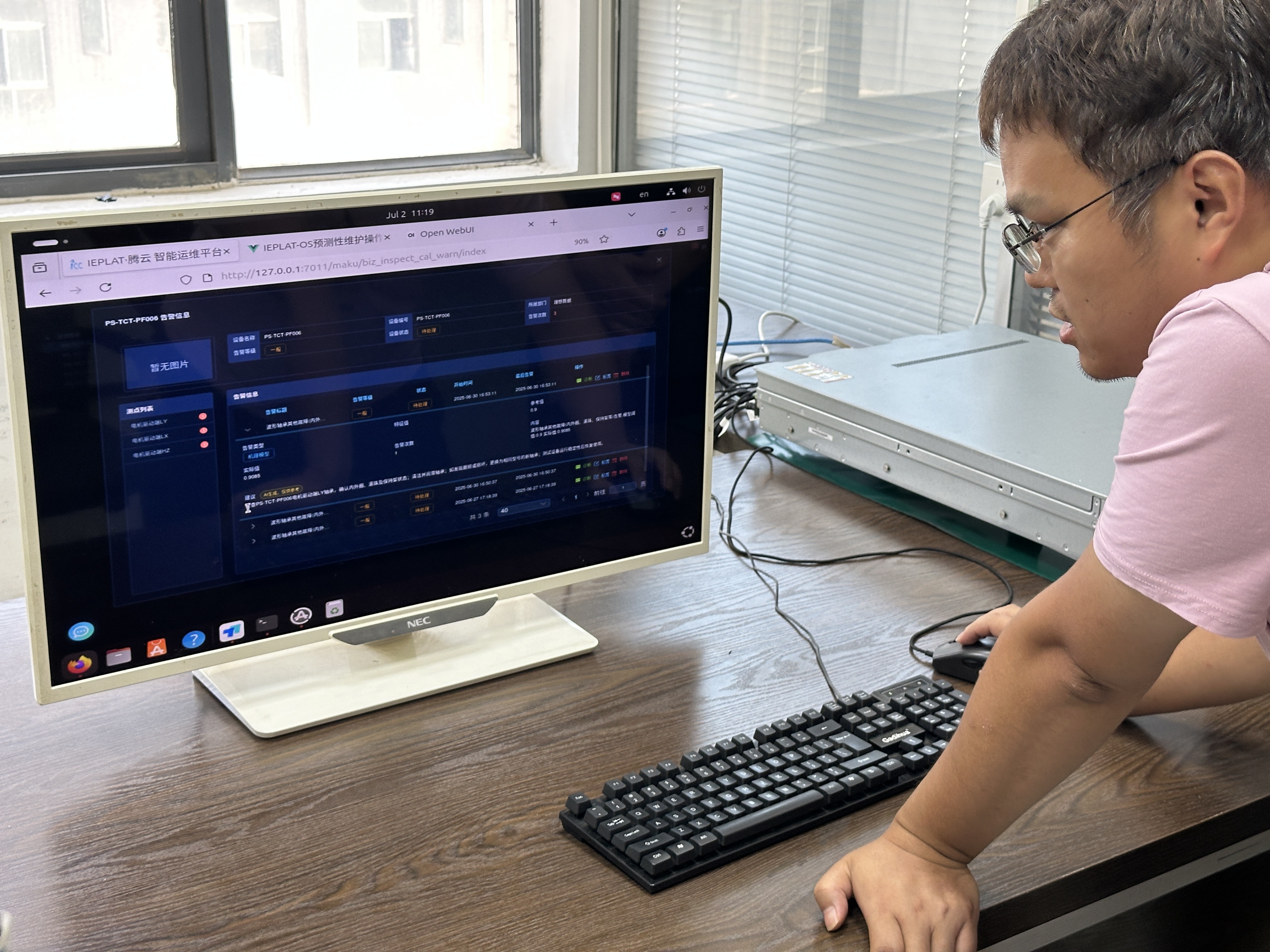
During the live demonstration, the functional design of the "Integrated Device Management Unit" showcased its exceptional adaptability to various scenarios:
- Real-time monitoring, data equals insight:
By integrating full sensor data from connected devices (including temperature, vibration, audio, pressure, and more), the all-in-one machine leverages Faiss storage technology to build an embedded vector database of device information, enabling rapid retrieval of both real-time status and historical records. Users simply need to input a command to generate multi-dimensional analysis reports that include comprehensive device data—complete with PDF export capability—providing an instant overview of the equipment's health condition.
- A smart assistant—a diagnostic advisor that "thinks":
The integrated intelligent operations and maintenance assistant can not only answer complex questions in the field of equipment diagnostics—such as "What’s causing the continuous temperature rise in XX equipment?"—but also leverages a company-specific knowledge base (including historical maintenance records, industry standards, and more) to deliver "tailor-made" recommendations. Additionally, the system automatically triggers device anomaly alerts, enabling "proactive reminders" instead of relying on "passive inquiries."
- Maintenance guidance: From diagnosis to implementation
Once the device alert is confirmed, the integrated system automatically generates a work order and, based on the device type, alert level, and historical data, outputs the specific cause of the failure (e.g., "Cooling module malfunction"). At the same time, the model leverages comprehensive device information, maintenance records, and domain expertise to provide step-by-step repair guidance (such as "Check the cooling fan speed" and "Clean dust buildup from the filter"), thereby reducing reliance on manual expertise.
IV. Deeply Empowering from "Tools" to "Ecosystem"
For industrial enterprises, the value of an "integrated equipment management machine" goes far beyond simply "repairing equipment"—it lies in reshaping the operations and maintenance ecosystem.
- Cost Reduction & Efficiency Enhancement: By providing fault alerts 3 to 7 days in advance, equipment downtime can be reduced by 40%, while maintenance costs are lowered by 35%.
- Ensuring production: Real-time monitoring and intelligent alerts prevent unexpected downtime, maintaining production continuity and indirectly boosting order fulfillment rates.
- Knowledge Accumulation: The accumulated equipment health data and maintenance experience form the company's "operations and maintenance knowledge assets," providing data support for future intelligent upgrades.
- Secure and Controllable: The locally deployed large model features a visual interface that displays key metrics—such as computing power usage and response latency—in real time, eliminating the need for cloud dependency while ensuring both data security and autonomous decision-making.
"The significance of this machine lies in enabling precise recording and analysis of each device's 'health profile.' As 'predictive maintenance' shifts from being an 'optional feature' to a 'standard requirement,' we move one step closer to the era of intelligent operations—where downtime is zero, and waste is eliminated."
From the "passive response" of traditional operations and maintenance to the "proactive management" of intelligent O&M, the Zhongyun Device Management All-in-One Machine, powered by "data + algorithms," injects an intelligent DNA—capable of "understanding equipment, thinking critically, and making informed decisions"—into industrial equipment maintenance. For industrial enterprises, it’s not just a "machine"; it’s a "reliable O&M partner."
Related news
Make industry smarter and equipment healthier

Service Hotline
+86 19972156250
Wuhan Intelligent Cloud Control Technology Co., Ltd.
Company Address: No. 6 Fozuling 3rd Road, Donghu New Technology Development Zone, Wuhan, Hubei, China
