
Case Study on Fault Diagnosis and On-site Verification of High-Temperature Fan Bearings in a Cement Plant
Release time:2025-08-21
Case Background
2024 Year 8 January, Wuhan Zhongyun Kangchong Technology for a major domestic cement group A certain factory The intelligent equipment inspection system has been launched, enabling real-time monitoring of the operational status of large-scale cement machinery such as raw material mills, high-temperature fans, circulating bucket elevators, rotary kilns, coal vertical mills, inclined chain conveyors, and roller presses. This system helps prevent unplanned shutdowns at the plant, allows for early detection of potential faults, and ensures continuous production.
A high-temperature fan typically refers to the draft fan located after the kiln's preheater. It serves as the primary ventilation device driving the entire kiln system, enabling heat exchange and gas-solid separation within the kiln system—all of which rely on the fan's power for operation and adjustment. As such, it is a core piece of equipment in the cement production process. The case I'm sharing with everyone today is The factory's high-temperature fan - Bearing Retainer Fault diagnosis case.
Fault Diagnosis
The one that has malfunctioned High-temperature fan Basic Information :
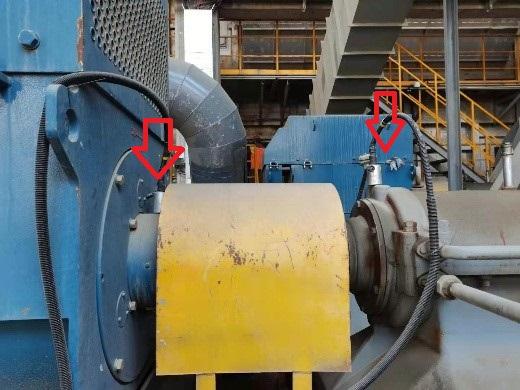
Image 1 High temperature Physical image of the fan
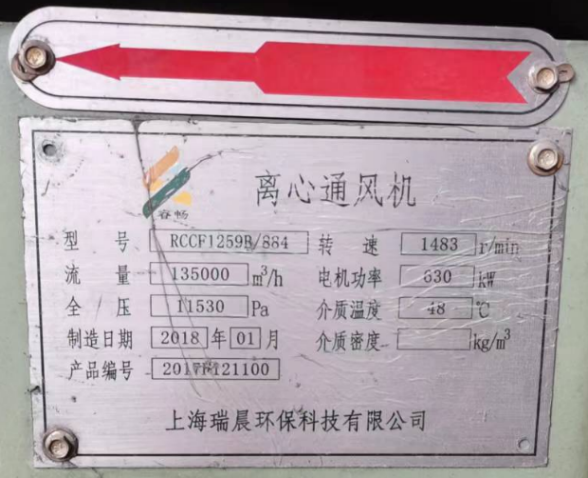
Image 2 High temperature Wind turbine Electrical Parameters
Sensor terminals collect and transmit the status information of the high-temperature fan to the platform. When a device fault occurs, the acquired trends in fan drive-end speed, vibration acceleration, and vibration spectrum are shown in the figure below. 3 , Image 4 , Image 5 As shown.
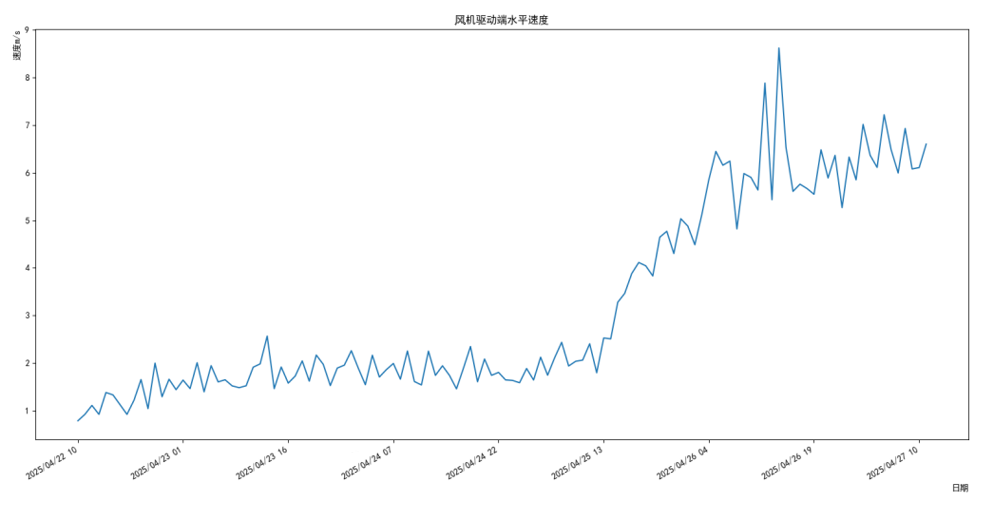
Image 3 Fan drive-end speed trend chart during failure
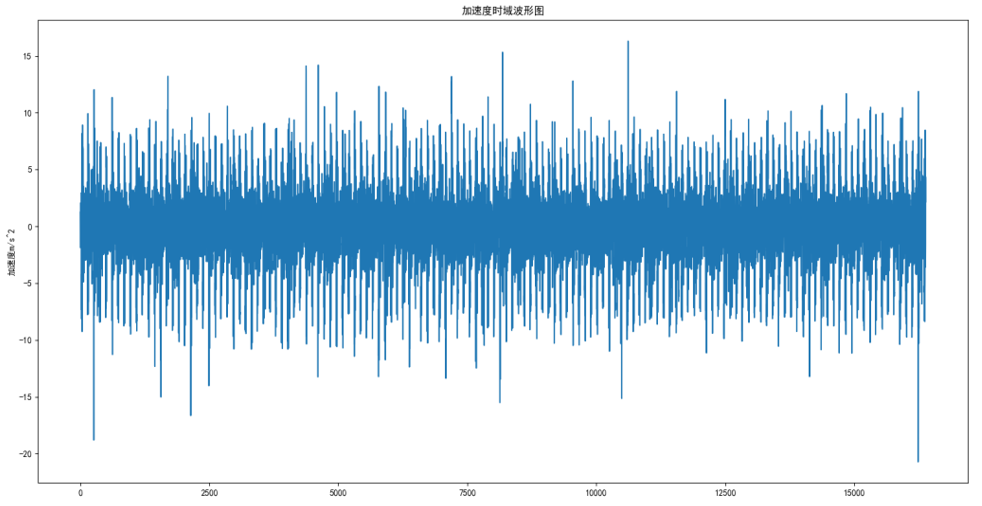
Image 4 Acceleration waveform of the fan drive end during a failure
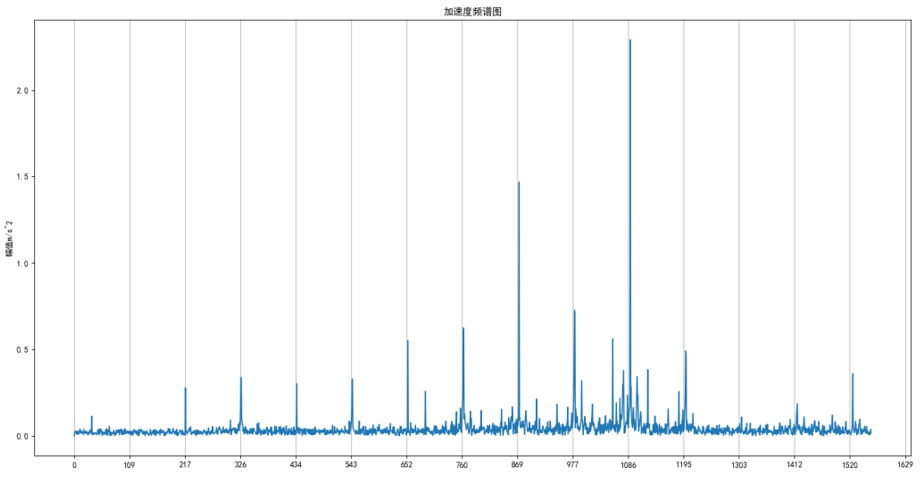
Image 5 Vibration Spectrum Diagram of the Fan Drive End During a Failure
As can be seen from the figure above, From 2025 Year 4 Month 25 Number 13 The point velocity shows a clear upward trend, 4 Month 26 Number 14 The point velocity reaches its maximum value, the time-domain waveform amplitude significantly increases, and the spectrum is dominated by the main component. 108.5Hz The harmonic component, which closely matches the theoretical value of the bearing fault frequency. 107.9Hz。 By analyzing the above spectrum using algorithms, bearing alarm information was obtained: issues such as bearing cage damage, rubbing and scraping between stationary and rotating components, wear-and-contact faults, and even fracture failures. Vibration frequency The spectrum clearly shows modulation sidebands corresponding to the bearing fault frequency, indicating that the bearing failure has further deteriorated. It is recommended that the factory shut down the equipment as soon as possible for inspection and maintenance. Wind turbine Bearings are inspected and repaired.
On-site Confirmation
4 Month 28 Day , the cement plant halted operations on-site for maintenance and inspection, revealing High-temperature fan bearing Retainer damage (as shown in the figure) 6 ) , consistent with the cloud platform's diagnostic conclusion, replace the bearing after maintenance.
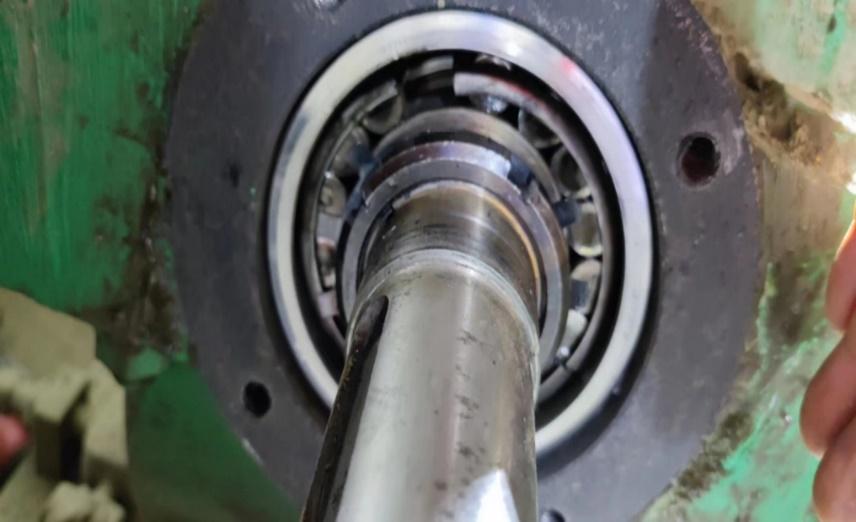
Image 6 On-site Maintenance Diagram
On-site Replace the bearing After restarting and running again, the vibration trend at the measurement point noticeably decreased. , Vibration Spectrum No abnormal frequency components were observed in the signal, For example Image 7 As shown 。
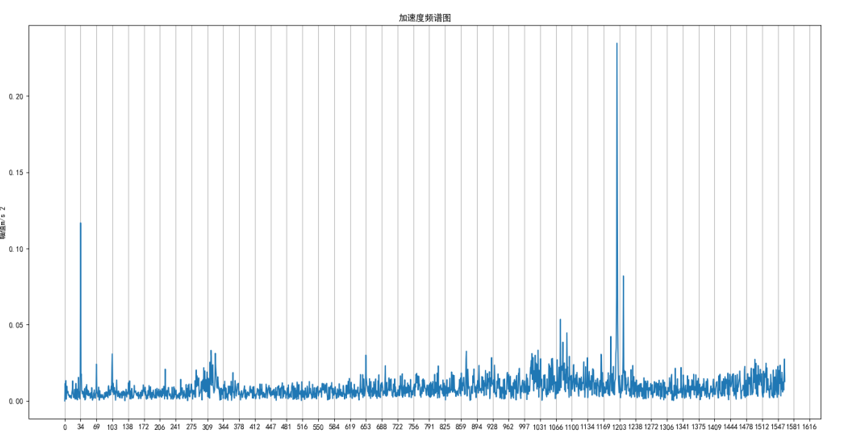
Image 7 Vibration spectrum diagram after maintenance
Related news
Make industry smarter and equipment healthier

Service Hotline
+86 19972156250
Wuhan Intelligent Cloud Control Technology Co., Ltd.
Company Address: No. 6 Fozuling 3rd Road, Donghu New Technology Development Zone, Wuhan, Hubei, China
